


We all want our homes to be comfortable, especially when the weather heats up. Sometimes, though, our cooling systems don’t work as well as they should. We might notice some rooms are hotter than others, or that the air conditioner runs a lot but doesn’t seem to make much difference. Often, the problem isn’t with the AC unit itself, but with the way air gets around our house. We’re going to look at how sealing up our ducts and making sure air flows right can really help our cooling work better. It’s about making the most of the cool air we’re paying for.
Key Takeaways
- We can find leaks in our ductwork by looking for obvious gaps or feeling for drafts. Sealing these leaks with the right materials is a big step for efficiency.
- Airflow is about how easily air moves through your home’s system. Things like closed vents or blocked ducts can get in the way, making your AC work harder.
- Proper duct sealing for efficiency means less cool air escapes before it reaches the rooms that need it. This saves energy and keeps our homes cooler.
Maximize Cooling With Proper Duct Sealing For Efficiency
When we think about keeping our homes cool during the warmer months, we often focus on the air conditioner itself. But what if a big part of the problem isn’t the AC, but how the cool air gets to where it needs to go? Our ductwork, the network of tubes that carries conditioned air throughout our homes, can be a major source of wasted energy and discomfort if it’s not properly sealed. Leaky ducts mean that all the cool air your AC works so hard to produce is escaping into places like your attic, crawl spaces, or walls before it even reaches your living areas. This forces your system to run longer and harder to achieve the desired temperature, leading to higher energy bills and uneven cooling.
Identifying Air Leaks In Your Ductwork
Spotting leaks in your ductwork isn’t always obvious. You won’t always see big gaping holes, but often it’s smaller cracks, loose connections, or poorly sealed joints that let the cool air slip away. One of the first signs we notice is a significant difference in temperature between rooms. Maybe one bedroom feels like a refrigerator while another is uncomfortably warm, even when the thermostat is set the same. Another indicator is an increase in our energy bills that doesn’t seem to match our usage. You might also notice dust or debris accumulating around duct connections, or even feel a draft coming from areas where it shouldn’t be.
- Listen for unusual noises: Whistling or hissing sounds coming from your vents or ductwork can signal escaping air.
- Check for visible damage: Look for tears, holes, or disconnected sections in accessible ductwork, especially in attics or crawl spaces.
- Feel for air leaks: With the system running, carefully run your hand along duct seams and connections. You might feel a cool draft.
- Inspect insulation: If your ducts are insulated, check if the insulation is intact or if there are gaps where air could be escaping.
Effective Methods For Sealing Ducts
Once we’ve identified potential leaks, the good news is that sealing them is often a manageable DIY project or a task for a professional. The goal is to create an airtight seal along all seams, joints, and connections. For accessible ducts, mastic sealant or metal-backed tape specifically designed for ductwork are good options. Mastic is a gooey substance that hardens to form a durable seal, while the tape provides a strong, flexible barrier. We need to be thorough, covering every joint and connection point.
Here are some common methods we employ:
- Mastic Sealant: This is a thick, paste-like substance applied with a brush or caulk gun. It’s excellent for sealing larger gaps and irregular joints. It dries to a hard, flexible seal.
- Duct Tape (Specialized): Not just any duct tape will do. We need to use foil-backed or metal-backed tape specifically rated for HVAC use. Regular cloth duct tape degrades over time and loses its adhesion.
- Weatherstripping: For very small leaks or around access panels, foam weatherstripping can provide a quick and effective seal.
Sealing your ducts is one of the most cost-effective ways to improve your home’s cooling efficiency. It directly addresses the problem of conditioned air escaping before it can cool your living spaces, leading to noticeable savings on your energy bills and a more comfortable home environment. It’s a task that pays for itself relatively quickly.
We should also consider the condition of our duct insulation. If the insulation is damaged or missing, it won’t be able to keep the cool air inside the ducts from warming up as it travels through hotter areas like the attic. Replacing or repairing this insulation is just as important as sealing the ducts themselves for maintaining that cool temperature all-important cool temperature.
Improving Airflow For Enhanced Home Comfort
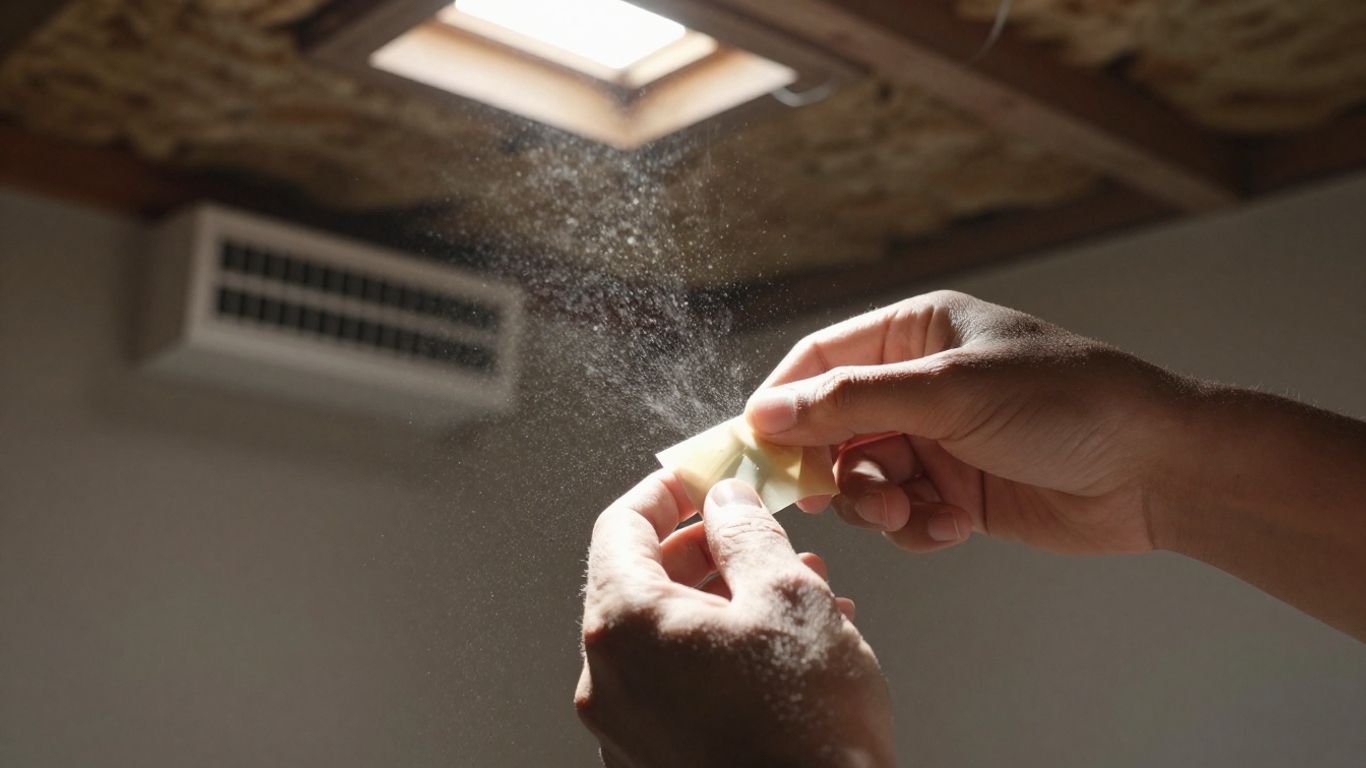
We’ve talked about sealing up those leaky ducts, which is a big step. But what about the air that is making it through? Getting that air moving properly is just as important for keeping your home cool and comfortable. Think of it like this: sealing is stopping the leaks, but airflow is making sure the water actually gets to where it needs to go in the pipes.
Understanding Airflow Dynamics
Airflow is basically how the air moves through your home’s HVAC system. It starts at the air handler (your furnace or AC unit), gets pushed through the ducts, comes out of your vents, and then gets pulled back into the return vents to start the cycle again. When this cycle is working well, you get consistent temperatures throughout your house. If it’s not, you might have rooms that are way hotter or colder than others, or your system might just feel like it’s working overtime without much to show for it.
- The system needs a balanced push and pull. Too much air coming out in one place and not enough returning can mess things up.
- Obstructions slow things down. Anything blocking the path makes it harder for the air to get where it’s going.
- Room size matters. Bigger rooms need more air than smaller ones to feel comfortable.
Addressing Common Airflow Obstructions
Sometimes, even with sealed ducts, airflow can still be a problem. This usually comes down to a few common issues we see.
- Blocked Vents: This is the simplest one. We often see furniture, rugs, or curtains pushed right up against vents, stopping air from coming out. Just moving these things can make a big difference. We also check if the vent louvers are fully open.
- Dirty Air Filters: A clogged air filter is like trying to breathe through a thick blanket. It restricts airflow significantly and makes your system work harder. We recommend checking and changing your filter regularly, usually every 1-3 months depending on the type and your home environment.
- Undersized or Kinked Ducts: Sometimes, the ducts themselves weren’t sized quite right for the room they’re supposed to serve, or they might have gotten bent or crushed over time. This is a bit more involved to fix, but it’s worth looking into if you have persistent airflow problems.
- Closed Dampers: Dampers are like little valves inside your ductwork that control airflow to different zones of your house. Sometimes these get accidentally closed or aren’t adjusted properly. Finding and adjusting these can help balance the air distribution.
We’ve found that many homes have at least one vent that’s partially blocked by something simple, like a rug. It’s amazing how much of a difference just clearing that space can make to the comfort of that particular room. It’s a small fix with a noticeable impact.
Here’s a quick look at how airflow can be affected:
| Issue | Impact on Airflow | Potential Fix |
|---|---|---|
| Blocked Vent | Significant | Move furniture, open louvers |
| Dirty Air Filter | High | Replace filter |
| Kinked Duct | Moderate to High | Straighten or replace duct section |
| Closed Damper | Moderate | Locate and adjust damper |
| Undersized Ductwork | Moderate | Professional assessment and potential replacement |
Getting the airflow right means your AC or heater doesn’t have to run as long to reach the temperature you want. This saves energy and makes your home feel much more comfortable, especially during those hot summer days or chilly winter nights.
Wrapping Up Our Cooling Efforts
So, we’ve gone over how sealing up those leaky ducts and making sure air moves freely can really make a difference in how cool your home stays. It might seem like a small job, but trust us, it adds up. You’ll likely notice your AC doesn’t have to work quite as hard, and that means more even temperatures throughout the house. Plus, who doesn’t want to save a bit on their energy bill? Give these tips a try; we think you’ll be happy with the results. It’s a practical way to make your living space more comfortable, especially when those hot days hit.
Frequently Asked Questions
How can we tell if our air ducts have leaks?
We can often spot leaks by looking for obvious signs. Think about dusty or dirty areas around the ducts, or places where you feel air blowing out when the system isn’t running. Sometimes, you might notice rooms that just don’t get as cool as others, even when the AC is on full blast. A professional can also use special tools to find even the smallest leaks we might miss.
What’s the easiest way for us to seal up our ducts?
For small holes and gaps, we can use special metal tape made for ducts, or a flexible sealant called mastic. It’s important to make sure the tape is specifically for ducts, as regular household tape won’t hold up to the pressure and temperature changes. For bigger problems, it might be best to call in experts who have the right equipment and know-how to get the job done right.
Why is good airflow so important for keeping our house cool?
Think of airflow like the blood in our bodies; it needs to move freely to keep everything working well. When air can move smoothly through the ducts, our cooling system can spread cool air evenly to all the rooms. If the air gets stuck or blocked, some areas might feel warm while others are chilly, and the whole system has to work harder, using more energy.
