


Heat Pump Tips for Efficient Comfort During October Weather in Dakota, MN
October in Dakota, MN has a personality all its own. One day may bring mild sunshine and open-window weather, while the next morning starts with frost on the grass and a chilly wind rolling through the Mississippi River valley. For homeowners, that means your heat pump has to work smart—not necessarily hard—to keep your home comfortable.
At Heyer Heating & Air Conditioning, we help local families prepare their heating systems for the swing season, when temperatures bounce between cool, cold, and surprisingly comfortable. If you use a heat pump, October is one of the most important months to make small adjustments that can improve comfort, reduce energy waste, and help prevent problems before winter settles in.
Key Takeaways:
- Use steady thermostat settings in October to help your heat pump operate efficiently during changing temperatures.
- Keep leaves, grass clippings, and fall debris away from your outdoor unit to maintain airflow and performance.
- Schedule a fall heat pump tune-up before colder Dakota, MN weather arrives to reduce breakdown risks.
- Check your air filter monthly, especially during fall when dust, pollen, and harvest-season particles can build up indoors.
Why October Is an Important Month for Heat Pumps in Dakota, MN
Heat pumps are excellent for shoulder-season weather because they move heat rather than create it through combustion. During October, when Dakota temperatures often shift from mild afternoons to cold nights, a properly operating heat pump can deliver efficient heating without the energy use of more intensive backup heat.
However, this is also the time of year when homeowners may notice little warning signs: longer run times, uneven temperatures, unusual noises, or a thermostat that seems to lag behind. These issues are easier and usually less expensive to address in October than during a January cold snap.
Fall maintenance also helps your system transition from cooling mode to heating mode. After a long summer of air conditioning, your heat pump needs clean coils, proper refrigerant levels, strong airflow, and correctly operating controls to perform at its best.
Set Your Thermostat for Steady Comfort
One of the best heat pump efficiency tips is also one of the simplest: avoid big temperature swings on your thermostat. Heat pumps are most efficient when they maintain a steady temperature. If you lower the thermostat drastically overnight and then ask the system to raise the temperature quickly in the morning, your backup or auxiliary heat may kick on.
Auxiliary heat is helpful during very cold weather, but it generally uses more energy. In October, you can often avoid unnecessary auxiliary heat by choosing moderate settings and making small adjustments.
- Set your thermostat to a comfortable, consistent temperature—often around 68°F when you are home.
- Use small setbacks of 2–3 degrees overnight instead of large temperature drops.
- Switch your thermostat to “Heat” when cold nights become consistent rather than constantly changing modes manually.
- If you have a smart thermostat, make sure it is compatible with heat pump operation and properly configured.
Thermostat setup matters more with heat pumps than many homeowners realize. If your thermostat is not programmed correctly for a heat pump system, it may cause inefficient operation or bring on backup heat too early.
Keep the Outdoor Unit Clear of Fall Debris
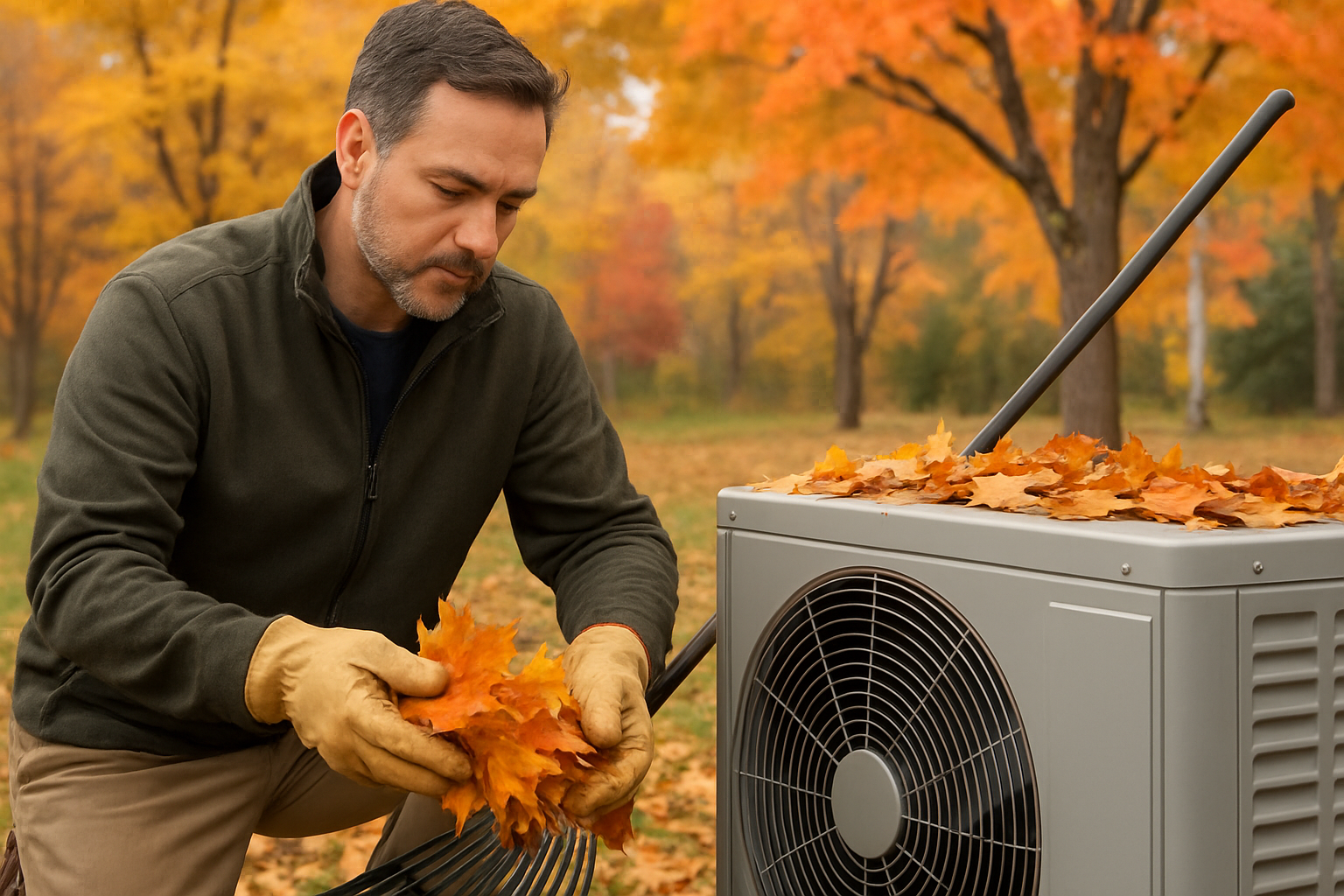
October leaves are beautiful, but they are not friendly to your outdoor heat pump unit. Your heat pump needs open airflow to move heat effectively. Leaves, twigs, seed pods, grass clippings, and even outdoor decorations placed too close to the unit can reduce performance.
We recommend checking the area around your outdoor unit once a week during peak leaf drop. Keep at least two feet of clearance around the unit whenever possible. Also, make sure the top of the unit remains open so air can discharge properly.
Change or Check Your Air Filter
A dirty air filter can make your heat pump work harder than necessary. In October, many Dakota-area homes deal with a mix of fall allergens, dust, pet hair, and particles stirred up during harvest season or yard cleanup. If the filter is clogged, airflow drops, comfort suffers, and your system may run longer to do the same job.
As a general rule, check your filter monthly and replace it as needed. Some homes may need filter changes more often, especially if you have pets, allergies, or a household with heavy HVAC use.
- Hold the filter up to a light—if you cannot see light through it, it is likely time for a replacement.
- Use the correct filter size listed on the frame or in your system documentation.
- Avoid installing overly restrictive filters unless your system is designed for them.
- Mark your calendar or set a phone reminder to check the filter every month.
Pay Attention to Defrost Cycles
As October mornings get colder, you may occasionally notice light frost on your outdoor heat pump. That can be normal. Heat pumps are designed to run defrost cycles that temporarily reverse operation to clear frost from the outdoor coil.
However, heavy ice buildup, frequent defrost cycles, or steam-like vapor that seems excessive may indicate a problem. A sensor issue, refrigerant problem, airflow restriction, or dirty coil can all affect defrost performance.
“We called Heyer Heating & Air Conditioning when our heat pump started frosting over during chilly mornings. They found the issue quickly, explained everything clearly, and had our home comfortable again before the weather turned colder.”
— Local homeowner near Dakota, MN
Use Ceiling Fans and Sunlight to Your Advantage
October comfort is not just about the heat pump. Small habits inside your home can help your system operate more efficiently. On sunny fall days, open curtains on south-facing windows to let natural warmth in. When the sun goes down, close blinds or curtains to help reduce heat loss.
Ceiling fans can also help distribute warm air. Set fans to rotate clockwise at a low speed during heating season. This gently pushes warm air down from the ceiling without creating a cooling draft.
Listen for Unusual Sounds
Your heat pump should not be loud, grinding, rattling, or squealing. A little operational sound is normal, especially when the system starts, stops, or enters defrost mode. But unusual noises should be inspected before they become bigger problems.
Common sounds to watch for include:
- Rattling: Loose panels, debris, or worn components.
- Squealing: Possible motor or belt-related issue, depending on system design.
- Grinding: A potential mechanical problem that should be addressed promptly.
- Clicking repeatedly: Electrical or control-related concerns.
If something sounds different than normal, it is better to call early. October service appointments are often easier to schedule than emergency calls during the first deep freeze.
Schedule a Fall Heat Pump Tune-Up
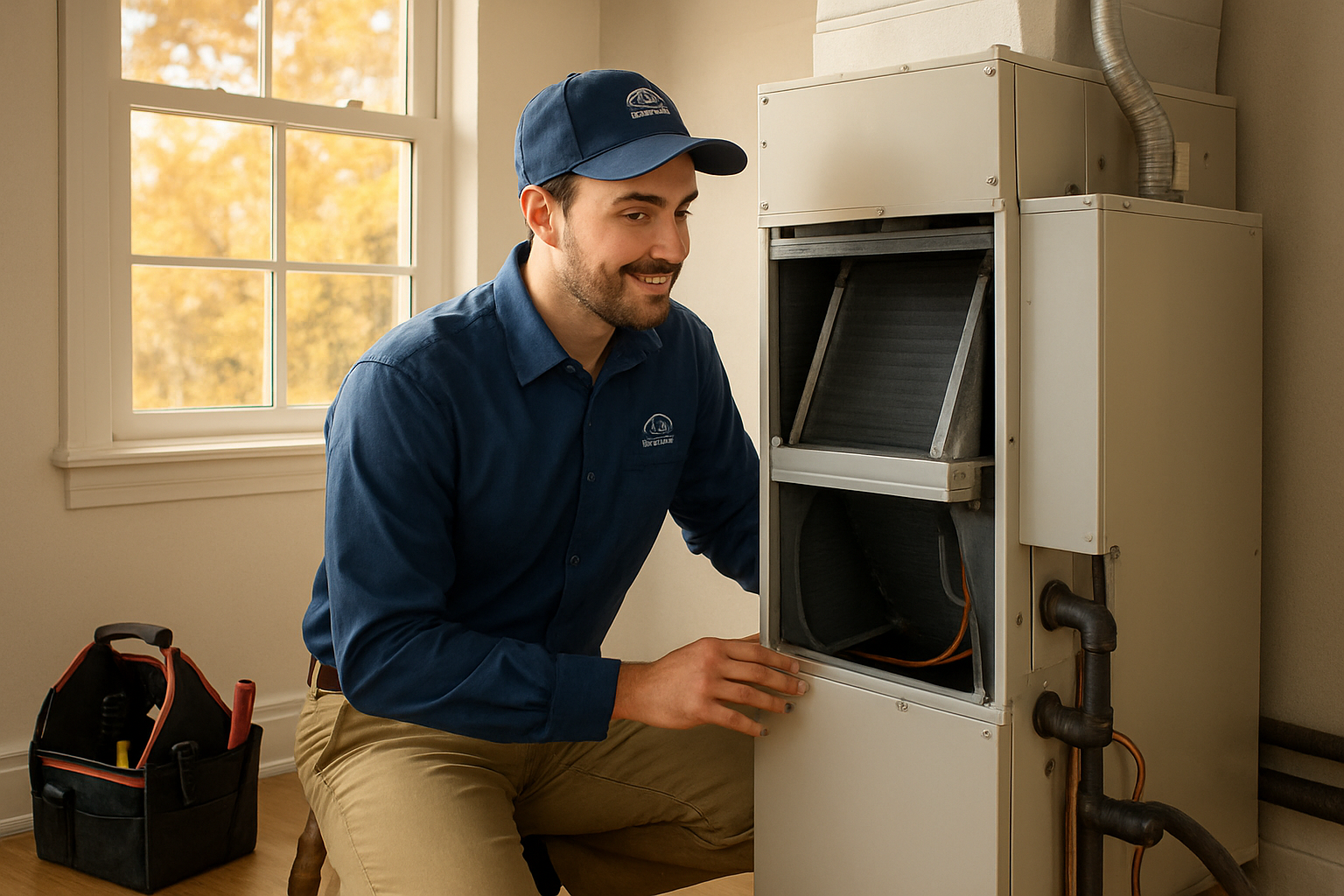
A professional tune-up is one of the most effective ways to keep your heat pump efficient and reliable. During a maintenance visit, a technician can inspect electrical components, test system operation, clean important parts, check airflow, evaluate refrigerant performance, and make sure the system is ready for heating season.
For Dakota, MN homeowners, October is ideal because your system is beginning to heat regularly but has not yet reached peak winter demand. Preventive maintenance can help identify small concerns before they turn into no-heat situations.
When to Consider Heat Pump Repair or Replacement
Heat pumps are durable, but no system lasts forever. If your unit is older, struggling to maintain temperature, or causing rising utility bills, October is a smart time to evaluate your options. You may only need a repair or adjustment, but in some cases, replacement can offer better comfort and efficiency before winter arrives.
Signs you should call Heyer Heating & Air Conditioning include:
- Your heat pump runs constantly but does not keep the home comfortable.
- Some rooms are much colder than others.
- Your energy bills have increased without a clear reason.
- The system frequently switches to auxiliary heat during mild weather.
- You notice ice buildup, unusual odors, or repeated system shutdowns.
Why Choose Heyer Heating & Air Conditioning?
When you invite an HVAC company into your home, you deserve honest recommendations, dependable workmanship, and people who understand local weather. At Heyer Heating & Air Conditioning, we are proud to serve Dakota, MN and nearby communities with heating and cooling solutions built around comfort, efficiency, and trust.
We know what October weather can do in southeastern Minnesota. Cool river-valley mornings, damp air, sudden temperature drops, and early frost can all affect how your heat pump performs. Our team brings local experience to every service call, which means we are not giving one-size-fits-all advice—we are helping you make the best decision for your home.
Customers choose Heyer Heating & Air Conditioning because we focus on:
- Local expertise: We understand Dakota, MN weather patterns and seasonal HVAC needs.
- Clear communication: We explain your options without pressure or confusion.
- Reliable service: We show up ready to diagnose, maintain, repair, or replace your system properly.
- Comfort-first solutions: We look at your whole home, not just the equipment.
- Long-term value: Our goal is efficient comfort that lasts through fall, winter, and beyond.
Stay Comfortable This October
Your heat pump can be a highly efficient way to heat your Dakota, MN home during October’s unpredictable weather. With steady thermostat settings, clean filters, clear outdoor airflow, and timely maintenance, you can enjoy dependable comfort while helping control energy use.
If your heat pump needs a seasonal tune-up, repair, or professional inspection, Heyer Heating & Air Conditioning is here to help. Contact our team today to schedule service and make sure your home is ready for the colder Minnesota months ahead.
