


Residential Heating Checks Every Homeowner Should Complete in September in Dakota, MN
September in Dakota, MN is one of those transition months where the weather can keep homeowners guessing. One day may feel like late summer, and the next morning can bring a cool breeze off the Mississippi River valley that reminds us fall is on the way. Before overnight temperatures begin dropping consistently, September is the ideal time to make sure your home’s heating system is clean, safe, and ready to perform.
At Heyer Heating & Air Conditioning, we’ve helped homeowners throughout Dakota and the surrounding communities prepare for Minnesota heating season for years. As the owner, I can say with confidence that a little attention in September can help prevent uncomfortable surprises in October, November, and beyond.

Key Takeaways:
- September is the best time to test your heating system before Dakota, MN temperatures begin dropping steadily.
- Changing filters, checking vents, and testing thermostats can improve comfort and efficiency before heavy heating demand begins.
- Professional heating maintenance helps identify safety and performance issues before they become costly winter breakdowns.
- Heyer Heating & Air Conditioning offers local, dependable service from technicians who understand Minnesota weather and homeowner needs.
Why September Heating Checks Matter in Dakota, MN
Many homeowners wait until the first truly cold night to turn on the furnace. Unfortunately, that is often when problems show up: strange smells, weak airflow, loud noises, short cycling, or no heat at all. By then, HVAC companies are often getting busier, parts may take longer to source, and your home could be uncomfortable while you wait for service.
September gives you a valuable head start. The weather is usually mild enough that you can test your system without relying on it all day. If something needs attention, there is still time to schedule service before the first hard cold snap.
In Dakota, we know fall can shift quickly. Cool mornings, damp evenings, and fluctuating temperatures can put extra demand on older heating systems. A furnace that sat idle through spring and summer may need cleaning, adjustment, or repair before it is ready for consistent use.
1. Replace or Inspect Your Furnace Filter
One of the easiest and most important September heating checks is inspecting your furnace filter. A dirty filter restricts airflow, forcing your system to work harder than necessary. That can increase utility bills, reduce comfort, and place unnecessary strain on furnace components.
In many homes, filters should be changed every one to three months, depending on household conditions. If you have pets, allergies, recent remodeling dust, or a larger family, your filter may need more frequent replacement.
- Remove the filter and hold it up to the light. If you cannot see light through it, it is likely time to replace it.
- Confirm the filter size before buying replacements.
- Make sure the airflow arrow on the filter points in the correct direction when installed.
- Consider setting a monthly reminder to check the filter during heating season.
A clean filter helps your furnace breathe properly and can make a noticeable difference in both comfort and efficiency.
2. Test Your Thermostat Before Cold Weather Arrives
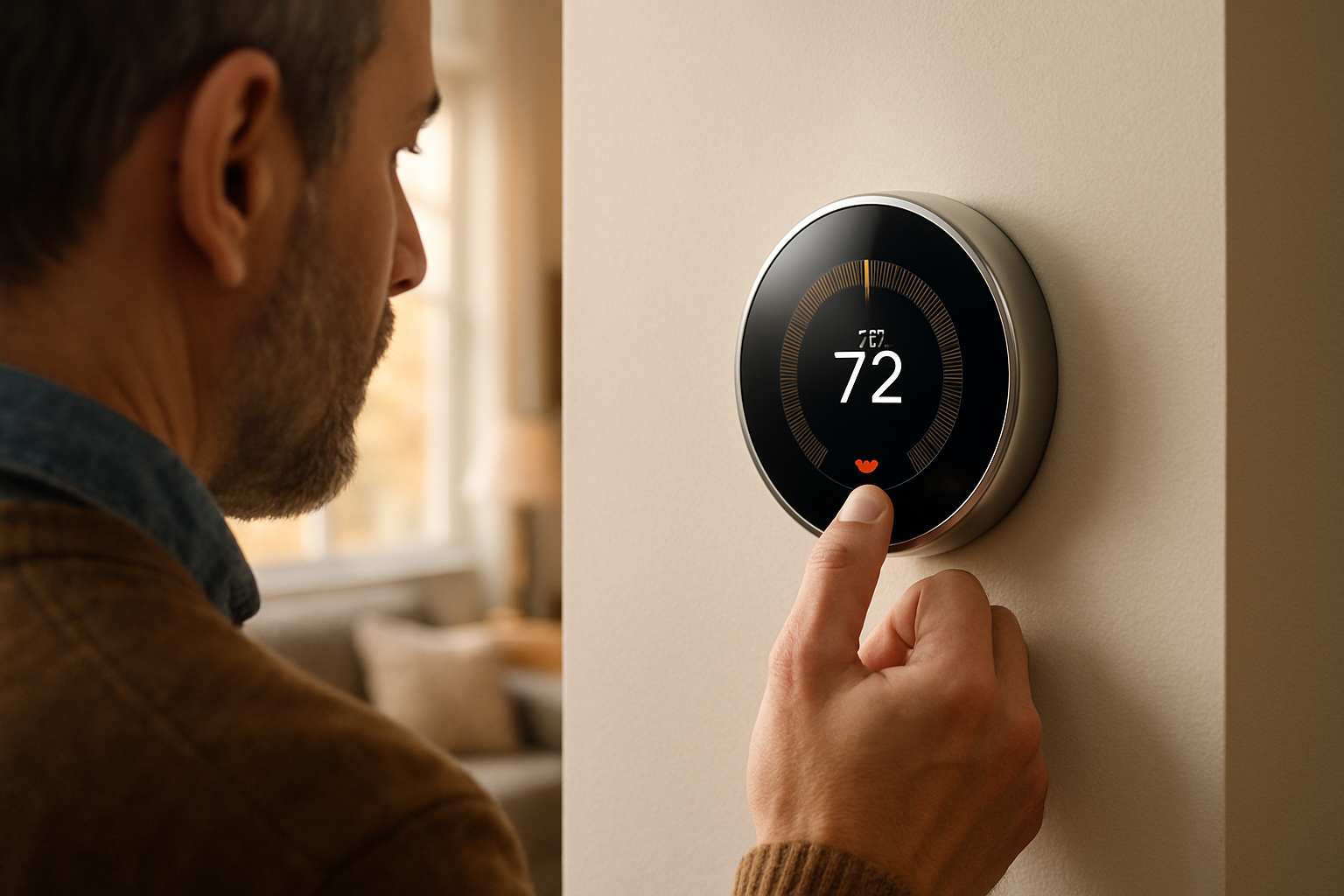
Your thermostat is the control center of your heating system. In September, switch your thermostat from cooling to heating mode and raise the temperature a few degrees above the current room temperature. Listen for the furnace to start, and check that warm air begins flowing from the vents.
If your furnace does not respond, the issue could be as simple as dead thermostat batteries or as complex as a wiring, ignition, or equipment problem. Catching that early gives you time to schedule professional service before your family is relying on the heat every day.
If you still have an older manual thermostat, September is also a great time to consider upgrading to a programmable or smart thermostat. These devices can help reduce energy use by automatically adjusting temperatures when you are sleeping or away from home.
3. Check Vents, Registers, and Airflow
Walk through your home and make sure supply and return vents are open, clean, and unobstructed. Furniture, rugs, curtains, toys, and storage boxes can block airflow and create uneven temperatures from room to room.
Good airflow matters for more than comfort. Restricted airflow can cause your furnace to overheat, cycle improperly, or operate less efficiently. This is especially important in homes with finished basements, older ductwork, or rooms that always seem colder than the rest of the house.
- Vacuum dust and pet hair from registers and return grilles.
- Move furniture or rugs away from vents.
- Check that vents are open in regularly used rooms.
- Notice any rooms with weak airflow, which may indicate duct or blower concerns.
If you find that some areas of your home never heat evenly, Heyer Heating & Air Conditioning can inspect your ductwork, system capacity, and airflow to help identify the cause.
4. Listen and Smell During the First Heating Cycle
When you first turn on your furnace in September, pay attention. It is normal to notice a slight dusty smell for a short time as dust burns off internal components. However, persistent burning odors, gas smells, musty odors, or electrical smells should never be ignored.
You should also listen for unusual noises such as banging, grinding, squealing, rattling, or repeated clicking. These sounds may point to loose components, blower motor issues, ignition problems, or worn parts.
If you smell gas, leave the home immediately and call your gas provider or emergency services. Do not attempt to troubleshoot a suspected gas leak yourself.
“We had Heyer Heating & Air Conditioning check our furnace in September before the weather turned cold. They found a small issue before it became a breakdown, and we felt much better knowing our heat was ready for winter.”
— Local homeowner near Dakota, MN
5. Inspect Around the Furnace Area
Your furnace needs clear space around it to operate safely and efficiently. September is a good time to clean up the mechanical room, basement utility area, or closet where your heating equipment is located.
Keep boxes, cleaning products, paint, laundry items, and storage bins away from the furnace. Flammable materials should never be stored near heating equipment. You should also check that the area around the furnace is dry and free of signs of water leaks or corrosion.
If your home has a high-efficiency furnace with PVC intake and exhaust pipes, make sure they are clear and properly connected. As fall leaves begin to drop, outdoor vent terminations can sometimes become blocked by leaves, debris, or nesting materials. A blocked vent can cause your furnace to shut down or create serious safety concerns.
6. Test Carbon Monoxide and Smoke Detectors
Heating season and carbon monoxide safety go hand in hand. Any fuel-burning appliance, including a gas furnace, should be properly maintained to reduce the risk of carbon monoxide exposure. September is the perfect month to test detectors and replace batteries if needed.
Every home should have carbon monoxide detectors installed according to manufacturer recommendations, especially near sleeping areas. If your detectors are more than several years old, check the expiration date. Many carbon monoxide alarms need replacement after five to ten years.
Professional furnace maintenance includes inspecting critical safety components and checking for signs of improper combustion, venting issues, or other concerns that may affect safe operation.
7. Schedule a Professional Heating Tune-Up
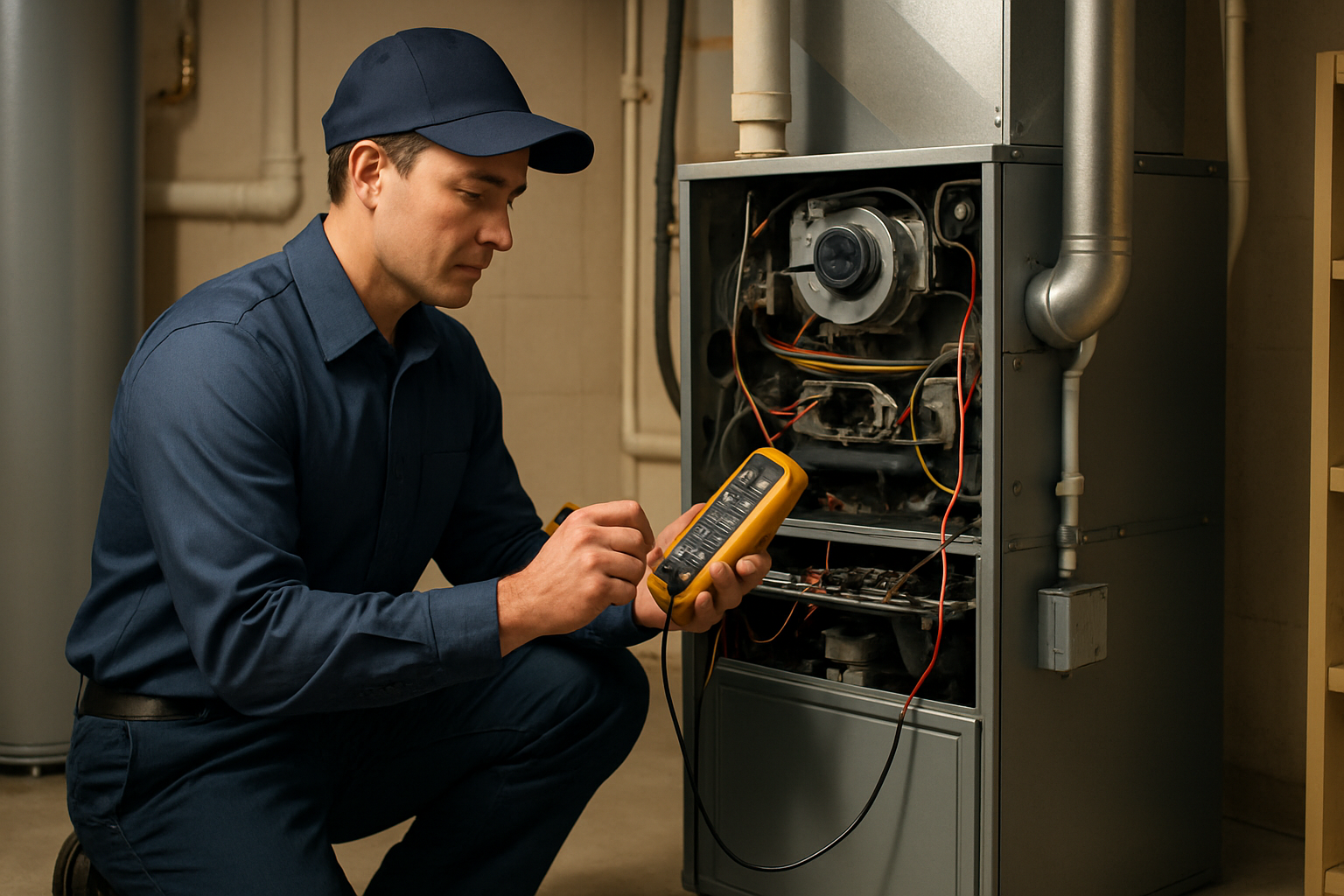
Homeowner checks are important, but they are not a substitute for professional maintenance. A trained HVAC technician can inspect areas of the system most homeowners cannot safely or thoroughly evaluate.
During a professional heating maintenance visit, a technician may inspect and clean components, check electrical connections, test safety controls, evaluate ignition operation, examine burners, measure system performance, and look for signs of wear. The goal is to improve reliability, efficiency, and safety before the furnace is under daily winter demand.
Why Choose Heyer Heating & Air Conditioning?
When you invite an HVAC company into your home, you deserve service that is honest, knowledgeable, and respectful. At Heyer Heating & Air Conditioning, we take pride in serving Dakota, MN homeowners with dependable heating and cooling solutions tailored to our local climate.
We understand what Minnesota heating systems go through. Our winters can be long, cold, and demanding, which means your furnace needs to be more than “good enough.” It needs to be safe, reliable, and properly maintained.
Homeowners choose Heyer Heating & Air Conditioning because we offer:
- Local experience: We understand the heating needs of Dakota, MN homes and the seasonal challenges our weather brings.
- Honest recommendations: We focus on practical solutions, not pressure or unnecessary upsells.
- Reliable workmanship: Our team works carefully and professionally, treating your home with respect.
- Preventive maintenance support: We help catch small issues before they become major breakdowns.
- Customer-focused service: Your comfort, safety, and satisfaction are always our priorities.
Whether you need a September furnace tune-up, heating repair, system replacement advice, or help improving comfort throughout your home, our team is ready to help.
Get Ahead of Heating Season
September is the smart month to prepare your Dakota, MN home for cooler weather. By replacing your filter, testing your thermostat, checking vents, listening for unusual sounds, inspecting the furnace area, testing safety detectors, and scheduling professional maintenance, you can head into fall with confidence.
Do not wait until the first freezing night to find out your furnace needs attention. Contact Heyer Heating & Air Conditioning today to schedule your residential heating check and make sure your home is ready for the season ahead.
