


We’re all looking for ways to make our homes more comfortable and save a bit on energy bills. Sometimes, the biggest culprits for wasted energy are the ones we can’t see. That’s where blower door testing comes in. It’s a simple test that can show us exactly where our homes are leaking air, which is often a big reason why heating and cooling costs are so high. We’ll explain how this test works and why it’s a smart step for a more efficient home.
Key Takeaways
- Blower door testing finds drafts and air leaks we can’t see, helping us understand how much air is getting into or out of our homes.
- By fixing these leaks found during blower door testing, we can stop wasting energy on heating and cooling, which lowers our utility bills.
- A tighter home, identified through blower door testing, means more consistent temperatures, fewer drafts, and better air quality for our living spaces.
Understanding Air Leaks With Blower Door Testing
We often think our homes are sealed up tight, but the truth is, most houses have tiny gaps and cracks that let air in and out. This is where blower door testing comes in. It’s a straightforward way for us to see just how much air is moving around in your house when it shouldn’t be.
Identifying Hidden Drafts
Think about those little breezes you sometimes feel near windows or doors, especially when it’s windy outside. Those are obvious signs, but a blower door test can find leaks you’d never notice on your own. It works by depressurizing your home, essentially pulling air out. This makes it much easier to feel or see where the air is being sucked back in. We can use a smoke pencil or even just our hands to pinpoint these spots.
- Common Leak Areas:
- Around electrical outlets and light switches on exterior walls.
- Where plumbing or wiring enters the house.
- Attic hatches and basement doors.
- Around chimneys and fireplace dampers.
- Gaps where walls meet floors or ceilings.
Quantifying Air Infiltration
Beyond just finding leaks, a blower door test gives us a number. This number tells us the total amount of air leakage in your home. It’s measured in cubic feet per minute (CFM) at a specific pressure difference. This gives us a clear picture of how leaky your home is compared to building standards or other homes we’ve tested.
| Leakage Measurement | Description |
|---|---|
| CFM50 | Air leakage in cubic feet per minute at 50 Pascals of pressure difference. |
| ACH50 | Air Changes per Hour at 50 Pascals. This is a common metric for comparing homes. |
This quantitative data is super helpful. It moves us from guessing about drafts to knowing exactly how much air is getting into your living space. This helps us figure out the best way to fix things up.
By understanding where and how much air is leaking, we can then figure out the best steps to take to make your home more efficient and comfortable.
How Blower Door Testing Improves Home Efficiency
So, we’ve talked about how blower door tests find those sneaky air leaks. Now, let’s get into why that actually matters for your home’s efficiency. It’s not just about finding a draft; it’s about making real changes that save you money and make your house feel better.
Reducing Energy Waste
When a blower door test points out where air is escaping, it’s like getting a roadmap for fixing your home’s energy leaks. Think about it: warm air escaping in the winter and cool air escaping in the summer. That’s energy literally flying out the window (or through cracks in the walls!).
- Fixing leaks means your heating and cooling systems don’t have to work as hard. This directly translates to lower energy bills. We’ve seen homes where sealing up just a few key areas made a noticeable difference in their monthly costs.
- It helps your HVAC equipment last longer. When your furnace or air conditioner isn’t constantly running overtime to compensate for air loss, it experiences less wear and tear.
- You’ll notice a more consistent temperature throughout your house. No more cold spots in the winter or hot spots in the summer.
We often find that the biggest culprits for air loss aren’t obvious. They can be around:
- Electrical outlets and switch plates
- Attic hatches and basement doors
- Where plumbing or wiring enters the house
- Around windows and doors (even if they seem sealed)
Addressing these specific points, identified by the blower door test, is far more effective than just guessing where the problems might be. It’s a targeted approach to saving energy.
Enhancing Comfort and Health
Beyond just saving money on energy, a tighter home is a more comfortable and healthier home. When we reduce uncontrolled air movement, we gain better control over our indoor environment.
- Improved comfort: As mentioned, consistent temperatures are a big win. You won’t feel those drafts that make you want to pile on extra sweaters or crank up the AC.
- Better air quality: While we want to stop unwanted air from getting in, we also need controlled ventilation. A blower door test helps us understand the natural infiltration rate. Once we know that, we can implement proper ventilation systems (like an ERV or HRV) if needed, which bring in fresh air without losing all your conditioned air. This is way better than having stale air or relying on random drafts for ventilation.
- Reduced dust and allergens: Air leaks don’t just let conditioned air out; they let outdoor air, dust, pollen, and other allergens in. Sealing these leaks can significantly reduce the amount of these particles circulating inside your home, which is a big plus for anyone with allergies or asthma.
Wrapping Up: Why Spring Blower Door Testing Matters
So, we’ve talked about how a blower door test in the spring can really show us what’s going on with our homes. It’s not just about finding leaks; it’s about making sure our houses work better for us. When we seal up those drafts, we’re not just stopping cold air from coming in. We’re also keeping the warm air inside where it belongs, which means our heating systems don’t have to work as hard. This saves us money on energy bills, plain and simple. Plus, a tighter home is often a more comfortable home, with fewer weird drafts and temperature swings. It’s a good step to take for a more efficient and pleasant living space. We think it’s worth considering for anyone looking to improve their home’s performance.
Frequently Asked Questions
What exactly is a blower door test and why do we do it?
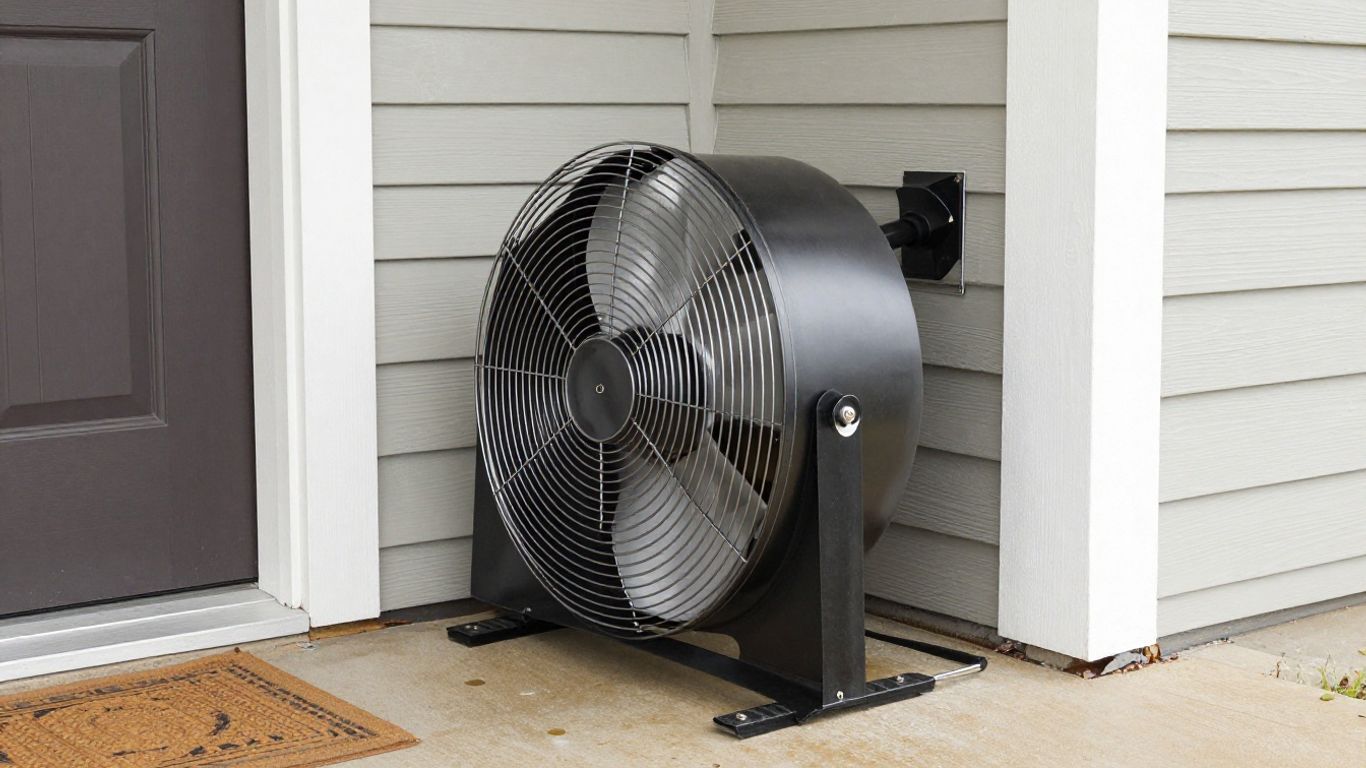
A blower door test uses a special fan that we set up in an exterior doorway. This fan pulls air out of your house, creating a pressure difference. This makes it easier for us to find where unwanted air is sneaking in, like through tiny cracks or openings you might not even see. It’s like giving your home a gentle but thorough check-up for air leaks.
How does finding these air leaks help make our home more energy-efficient?
When air leaks are sealed up after a blower door test, less heated or cooled air escapes your home. This means your heating and cooling systems don’t have to work as hard to keep your house at the right temperature. Consequently, we use less energy, which can lead to lower utility bills. It’s a straightforward way to prevent energy from going to waste.
Besides saving money, what are other benefits of having our home tested for air leaks?
Fixing air leaks doesn’t just help with energy bills; it also makes your home a more comfortable place to live. You’ll notice fewer drafts, especially near windows and doors, making rooms feel warmer in winter and cooler in summer. Additionally, by stopping outside air from coming in, we can also reduce the amount of dust, pollen, and other allergens that might enter your home, which is good for everyone’s health.
